
Mowing Height and Timing in Massachusetts
Half of what looks like a bad lawn is a mowing problem. Height, frequency, and blade sharpness fix more than fertilizer does.
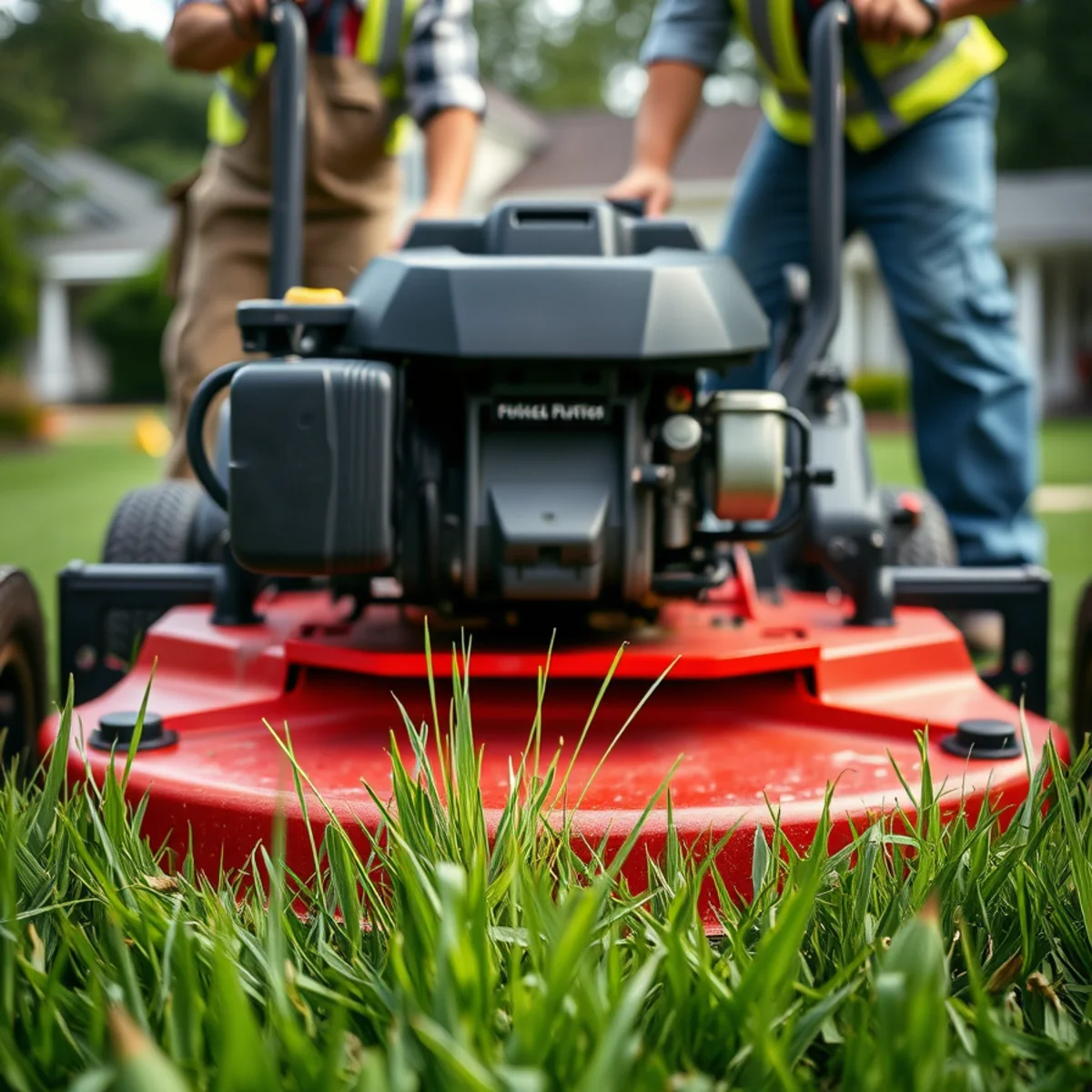
People spend money on fertilizer, seed, and weed control while mowing their lawn in a way that undoes most of it. Mowing is the most frequent thing that happens to your lawn — thirty times a year or more — and doing it correctly costs nothing.
Cut higher than you think
The single most common mistake in this area is cutting too short. Three inches should be your baseline for cool-season grass, and three and a half to four inches through the heat of July and August.
Here is what a taller cut actually does:
- Shades the soil surface, which keeps root-zone temperature down and slows moisture loss
- Blocks light from reaching crabgrass and other weed seed sitting in the top layer of soil
- Supports deeper roots — leaf area above ground roughly tracks root mass below it
- Hides minor unevenness in the lawn surface
A lawn cut at an inch and a half looks sharp for about four days and then thins out, because the plant has nothing left to photosynthesize with and the soil under it bakes. Golf courses cut that low with specialized grass, daily attention, and irrigation systems most people do not have.
The one-third rule
Never remove more than one third of the blade height in a single cut. If you maintain three inches, mow when the grass hits four and a half.
Cutting more than a third at once shocks the plant. It stops root growth for several days while it rebuilds leaf tissue, and it dumps a heavy volume of clippings that mat on the surface. In May, when cool-season grass is growing fastest, that rule is exactly why weekly mowing matters and why every-other-week service struggles.
Sharp blades are not optional
Look closely at your lawn a day after mowing. If the tips are ragged and whitish rather than cleanly cut, the blade is dull.
A torn blade tip has far more surface area exposed than a clean cut. It loses moisture faster, browns at the tip, and gives fungal pathogens an easy entry point — which matters here, because brown patch and dollar spot both thrive during our humid July stretches.
Sharpen at least twice a season. If you hit rocks or roots, more often. We sharpen on a set rotation across the season rather than once in spring.
Change direction every time
Mowing the same direction every week does two things, both bad. Grass leans consistently in the direction of travel, which reduces how much of the blade the mower actually cuts. And the wheels run the same lines every visit, compacting narrow tracks into ruts.
Alternate: north–south one week, east–west the next, diagonals after that. It takes no extra time and produces a visibly better cut.
Leave the clippings
Clippings mulched back into the lawn return roughly a quarter of the nitrogen your lawn needs over a season. They are mostly water and they break down within days when the mowing schedule is consistent.
Clippings do not cause thatch. Thatch is built from stems, crowns, and roots — the tough, lignin-rich tissue — not from leaf blades, which decompose quickly. That myth costs people money in bagging labor and fertilizer every year.
The exception is when the lawn got long and you are dropping heavy clumps. Clumps sitting on turf smother it in a couple of days. In that case, double-cut to chop them finer, or bag that one time.
Timing through the season
| Period | Height | Frequency |
|---|---|---|
| April | 3" | Weekly once growth starts |
| May–June | 3–3.5" | Weekly, no exceptions in May |
| July–August | 3.5–4" | Every 7–10 days as growth slows |
| September–October | 3–3.5" | Weekly again during fall growth |
| Final cut (November) | 2.5" | Once, before dormancy |
The final cut going shorter is deliberate. Long grass folds over under snow and mats down, which is exactly the condition snow mold needs. Two and a half inches for that last cut, then leave it alone.
When not to mow
- On saturated ground — wheels rut it and compact the soil, and the damage lasts
- During peak afternoon heat in a drought, when the lawn is already stressed
- When grass is dormant and brown in August — there is nothing to cut and traffic damages crowns
- Right after seeding, until new grass reaches about three and a half inches
Shade changes the rules
Lawns under mature oaks and maples — which describes a lot of properties across Abington, Whitman, and the older South Shore neighborhoods — should be cut even higher, around four inches. Grass in shade has less light to work with, so it needs more leaf area to survive. Those areas also want fine fescue rather than sun blends, which is a seed selection problem more than a mowing one — and the reason we match blends to conditions during lawn renovation and overseeding.
If you would rather not manage the height chart, blade schedule, and direction rotation every week, that is what a weekly lawn maintenance program is for. The predictability is most of the value.
Frequently Asked Questions
Three inches as a baseline, three and a half to four inches through July and August, and two and a half inches for the final cut before winter. Cutting shorter than three inches through the season is the most common cause of thin, weedy cool-season lawns here.
Generally no. Mulched clippings return about a quarter of your lawn's annual nitrogen and break down in days. They do not cause thatch. Bag only when the lawn got long enough that clippings are falling in clumps.
At least twice per season, more if you hit rocks or roots. If grass tips look ragged and whitish a day after mowing, the blade is dull and it is costing you moisture retention and disease resistance.
Want this handled for you?
We do this work across Whitman and the South Shore every week. Call (323) 606-0255 for a free on-site estimate — we will tell you honestly what your property needs.