
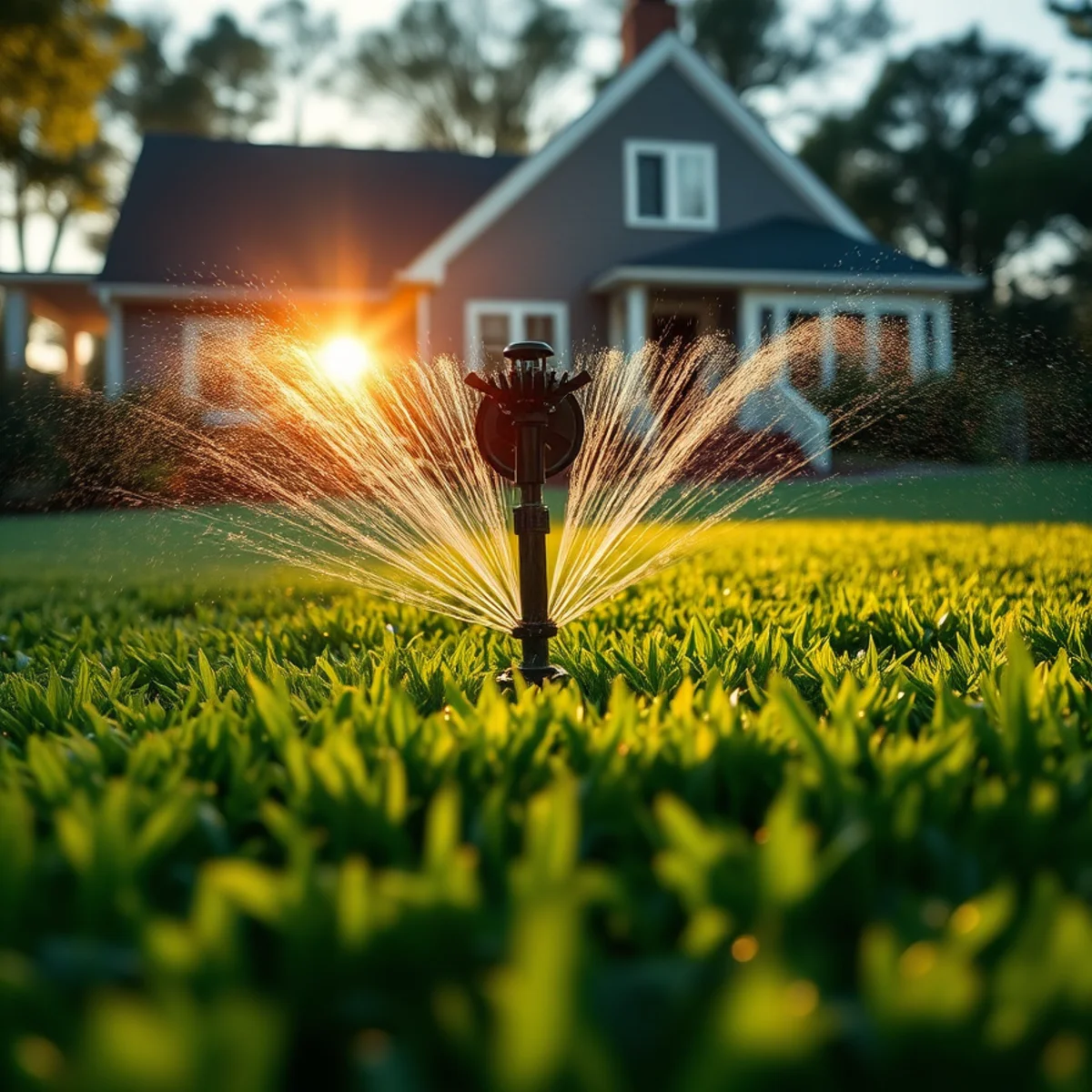
Whitman, MA · April startup · Oct–Nov winterization
Irrigation & Sprinkler Systems in Whitman, MA
Watering set up so it works with your lawn instead of against it — deep, early, and only as often as the soil actually needs.
5.0★
28 Google reviews
Not one below five stars
15+
Years in business
Serving the South Shore since 2010
Free
On-site estimates
Written scope, firm number
12
Months a year
Lawn care through snow removal
Overview
Irrigation & Sprinkler Systems in Whitman, MA
Watering is the variable most homeowners get wrong, and it is not usually about quantity. It is about frequency and timing.
Short daily cycles keep the top inch of soil wet and train roots to live there. That gives you a lawn that looks fine in June and collapses in the first hot dry week of August. Deep, infrequent watering pulls roots down where the soil holds moisture longer.
We install and set up sprinklers and timers for new lawns, put in drip lines for beds, handle seasonal startups and winterizations, and fix the coverage problems that make some parts of a lawn brown while others stay soaked.
What's included
- Sprinkler and timer setup for new sod and seeded lawns
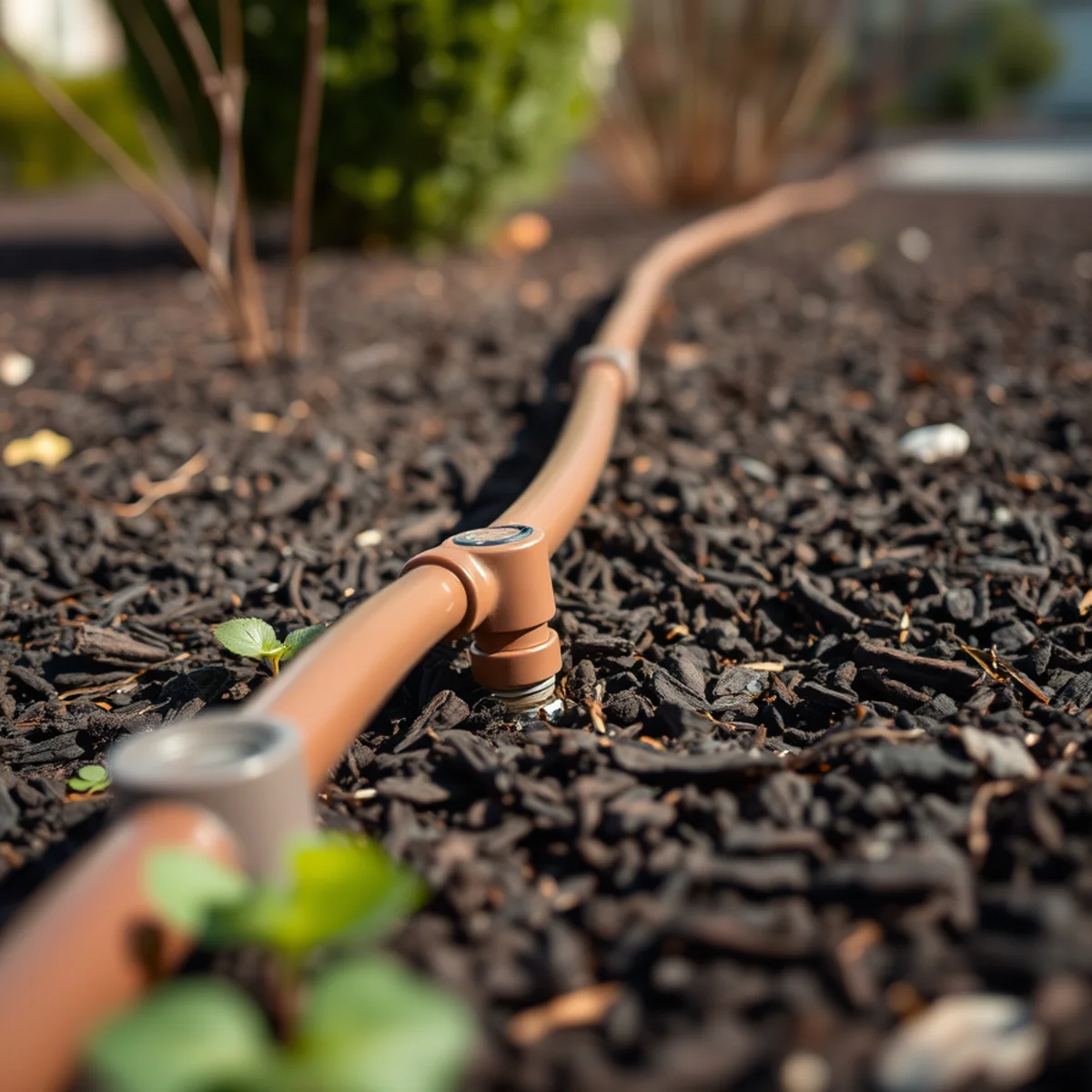
- Drip irrigation for garden beds, foundation plantings, and containers
- Spring startup: system pressurized, heads checked and adjusted, controller programmed
- Fall winterization: system blown out with compressed air so nothing freezes and splits
- Head adjustment and nozzle changes to stop watering the driveway and the siding
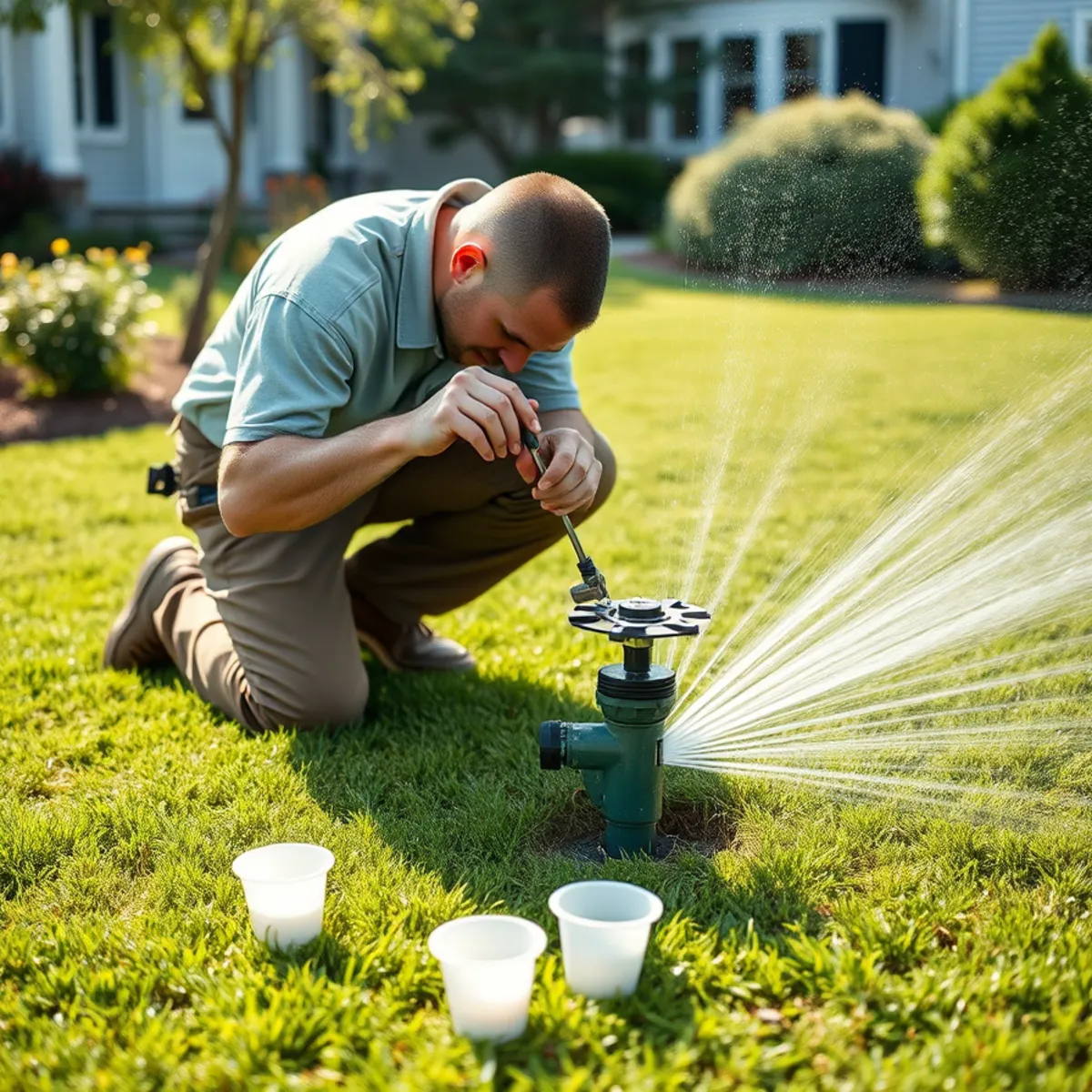
- Coverage auditing with catch cups to measure what each zone actually delivers
- Controller programming by zone — sun, shade, slope, and beds all differ
- Rain sensor and smart controller installation
- Repairs: broken heads, cut lines, stuck valves, and wiring faults
What we see
Watering problems and what they look like
Most irrigation complaints trace back to one of these.
Brown patches in an irrigated lawn
Almost always a coverage gap, not a system-wide problem. A misaligned head, a clogged nozzle, or spacing that does not overlap properly leaves dry wedges. Catch-cup testing finds it in one visit.
Fungus and disease in a well-watered lawn
Evening watering. Grass that stays wet overnight for eight hours is ideal for brown patch and dollar spot. Watering should finish before the sun gets high — start between 4 and 6 a.m.
The system runs during a rainstorm
No rain sensor, or a failed one. A working sensor or a smart controller pays for itself quickly and stops the most visible waste there is.
Water running off instead of soaking in
The zone is applying water faster than the soil can absorb it, common on slopes and clay. Splitting the run into two or three shorter cycles with soak time between them fixes it entirely.
Shrubs dying in an irrigated bed
Lawn sprays are a poor fit for beds. They wet foliage, miss the root zone under mulch, and run on the lawn schedule. Beds want drip on their own zone.
Split pipes and cracked heads in spring
The system was not blown out before the freeze. Winterization is cheap. A spring full of repairs is not.
Irrigation & Sprinkler Systems in action
Our process
How we approach irrigation
The goal is the least water that keeps the lawn healthy, applied at the right time of day.
- 1
Audit what is there
We run each zone and watch. Coverage, pressure, head type and alignment, and where water is landing that should not be.
- 2
Measure actual output
Catch cups spread across a zone tell us how many inches per hour it really delivers. That number turns "run for twenty minutes" into an actual watering depth.
- 3
Fix coverage first
Adjust arcs, change nozzles, raise sunken heads, replace broken ones. No amount of controller programming fixes a zone that does not cover evenly.
- 4
Program by zone, not by property
A sunny front zone, a shaded back zone, a slope, and a drip bed zone all need different run times. One schedule for the whole system means three of the four are wrong.
- 5
Set up cycle-and-soak where needed
On slopes and clay, splitting a twenty-minute run into two ten-minute cycles with an hour between eliminates runoff.
- 6
Seasonal adjustment
A spring schedule left running in August underwaters, and an August schedule left running in October is a waste. Rain sensors and smart controllers handle this automatically; otherwise we adjust seasonally.
Local expertise
How much water a lawn here actually needs
About one inch per week, including rainfall, through the growing season. That is the number worth memorizing.
Delivery matters as much as volume. One inch applied in a single long session soaks six to eight inches down into the soil and pulls roots after it. The same inch split into seven daily fifteen-minute sessions never wets more than the top inch, and the roots stay there. That second lawn is the one that browns out first every August.
So: water deeply, one or two sessions a week, and let the surface dry between them. In peak heat you might go to three, but you are still watering deeply each time.
Timing: start between 4 and 6 a.m. Wind is calm so the pattern is not distorted, evaporation loss is minimal, and the grass blades dry as the sun comes up. Midday watering loses a meaningful share to evaporation. Evening watering leaves foliage wet all night, which is exactly what fungal disease needs.
Measuring: put a few straight-sided containers — tuna cans work perfectly — around a zone and run it for fifteen minutes. Measure what collected, and you know that zone's inches per hour. That converts "one inch a week" into a real number of minutes for your specific system.
Established shrubs and trees follow different rules. They want slow, deep soaking at the drip line every week or two during dry stretches, not the frequent light watering a lawn zone provides. That is why beds belong on their own drip zone.
And in a genuine drought, a dormant cool-season lawn is not a dead lawn. Grass browning off in August is a survival strategy. If you cannot water it, roughly a half inch every two or three weeks keeps the crowns alive, and the lawn greens back up when the rain returns in September.
Why Giachetto Landscape
Why our watering setups use less water
15+ years on South Shore properties, 5.0 stars from 28 Google reviews, fully insured, and the owner on the job rather than behind a desk.
We measure what each zone actually delivers
Catch cups spread across a zone for fifteen minutes turns 'run it for twenty minutes' into an actual watering depth. It is the difference between guessing and knowing, and it usually reveals a coverage gap nobody suspected.
Coverage fixed before programming
No controller schedule fixes a misaligned head, a clogged nozzle or spacing that does not overlap. We adjust arcs, change nozzles, raise sunken heads and replace broken ones first, then programme.
Cycle and soak on slopes and clay
If water runs onto the driveway before a zone finishes, you are applying faster than the soil absorbs. Splitting a twenty-minute run into two ten-minute cycles an hour apart eliminates the runoff entirely.
Winterization that prevents a spring of repairs
Water left in pipes and heads freezes, expands and splits them. Blowing the system out with compressed air in October or November is inexpensive insurance, and we schedule it rather than waiting for you to remember.
- 5.0 stars28 Google reviews
- 15+ yearsServing the South Shore since 2010
- Fully insuredCertificates on request
- Locally ownedBased at 23 Rowena Ave, Whitman
Honest pricing
What irrigation work costs
Service work is priced per visit; installation is priced by zone and area.
Number of zones
The main measure for both installs and seasonal service. Each zone is its own valve, wiring run, and set of heads.
Area and head count
How much ground needs coverage and how many heads it takes to do it evenly.
Trenching conditions
Open lawn is quick. Rocky soil, tree roots, and crossing under driveways or walkways add time.
Controller type
A basic timer costs little. A weather-based smart controller costs more and typically pays back in water savings.
Backflow prevention
Required and inspected. The device type depends on your water service.
Repairs
A broken head is minor. Tracing a wiring fault or a stuck valve takes diagnostic time.
Whitman draws municipal water and outdoor watering restrictions can apply during dry summers, as they do across the South Shore. A properly programmed system uses substantially less water than manual sprinklers and keeps you inside the rules.
Social proof
28 Reviews, 5.0 Stars
Every review on our Google Business Profile is five stars. Here is a sample.
Read them on Google“The Giachetto Landscape crew did an absolutely incredible job on a big spring cleanup at our home. The yard was a mess, and there wasn't a single leaf or stick left in any nook or cranny once they were done. They were efficient, respectful, fast, and reasonably priced. We're blown away by how hard they worked. There are so many landscaping companies to choose from, and we couldn't be happier to have found such an amazing crew! 10/10!”
Mia Gallo· Google review
“Chris did an amazing job installing my new lawn with sod. From him being readily available to take a look at my job in the beginning, to providing me a prompt, competitive quote, to the pulling up of my old weed filled lawn, hand laying the new sod, and setting up of the sprinklers/timers to water the lawn, he has been a pleasure to work with. He also pulled out a large shrub and planted a smaller one, as well as re-mulched. He is professional, responsive to all questions, easy to work with, and a hard worker. I highly recommend him for any landscape project you may have.”
Laurie K· Google review
Answers
Irrigation & Sprinkler Systems: Common Questions
Specific to irrigation & sprinkler systems on South Shore properties.
One inch per week total, including rain, delivered in one or two deep sessions rather than daily light ones. Deep and infrequent drives roots down; frequent and shallow keeps them at the surface where they cannot survive a dry August.
Early morning, roughly 4 to 6 a.m. Wind is lowest, evaporation loss is smallest, and blades dry as the sun rises. Evening watering leaves grass wet overnight and is a leading cause of fungal disease in this climate.
Yes, absolutely, in this climate. Water left in pipes and heads freezes, expands, and splits them. Systems get blown out with compressed air in October or November. It is inexpensive insurance against a spring full of repairs.
Yes. For new sod and seed we routinely set up above-ground sprinklers on timers so the watering happens correctly whether or not you are home. That is the single biggest factor in whether a new lawn takes.
For most properties, yes. Weather-based controllers adjust run times using local conditions and skip cycles after rain. They typically cut water use noticeably and they remove the seasonal reprogramming most people forget to do.
Related services and articles
Related services
New Lawn Installation: Sod & Hydroseeding
Sod for instant results, hydroseed for value, slice seeding for renovation — with the grading and loam depth the lawn actually needs.
Lawn Mowing & Weekly Maintenance
Weekly or bi-weekly cuts with sharp blades, crisp trim lines, and every hard surface blown clean before we leave.
Drainage Solutions & Grading
Standing water, soggy lawns, and water against the foundation — solved by moving water somewhere it belongs, not by hiding it.
Further reading
How Often to Water a Lawn in Massachusetts
Most people water too often and not deeply enough. Here is the measurement method that turns guesswork into a number.
A Month-by-Month Lawn Care Calendar for Whitman, MA
Twelve months of specific, local timing: when to lime, when to seed, when to stop feeding, and the two deadlines that matter most.
Where we do irrigation & sprinklers
Watering is the variable most homeowners get wrong, and outdoor restrictions during dry summers make it matter more. We set up systems and seasonal service across the South Shore, including new-lawn watering setups in Whitman and East Bridgewater, drip zones for the bed-heavy properties in Hingham and Duxbury, and well-aware scheduling in Plympton and Rochester.
Free estimate
Request a Free Irrigation & Sprinklers Estimate
Tell us about the property and we will set up an on-site visit. Every request gets a reply within one business day.
- ✓Free on-site estimate with a written scope
- ✓5.0★ from 28 Google reviews
- ✓15+ years working South Shore properties
- ✓Fully insured — certificates available on request
Get Irrigation & Sprinklers Handled Properly
Call (323) 606-0255 to talk it through, or request a free on-site estimate and we will come look at the property.
- 5.0★ · 28 reviews
- 15+ years experience
- Fully insured
- Free on-site estimates