
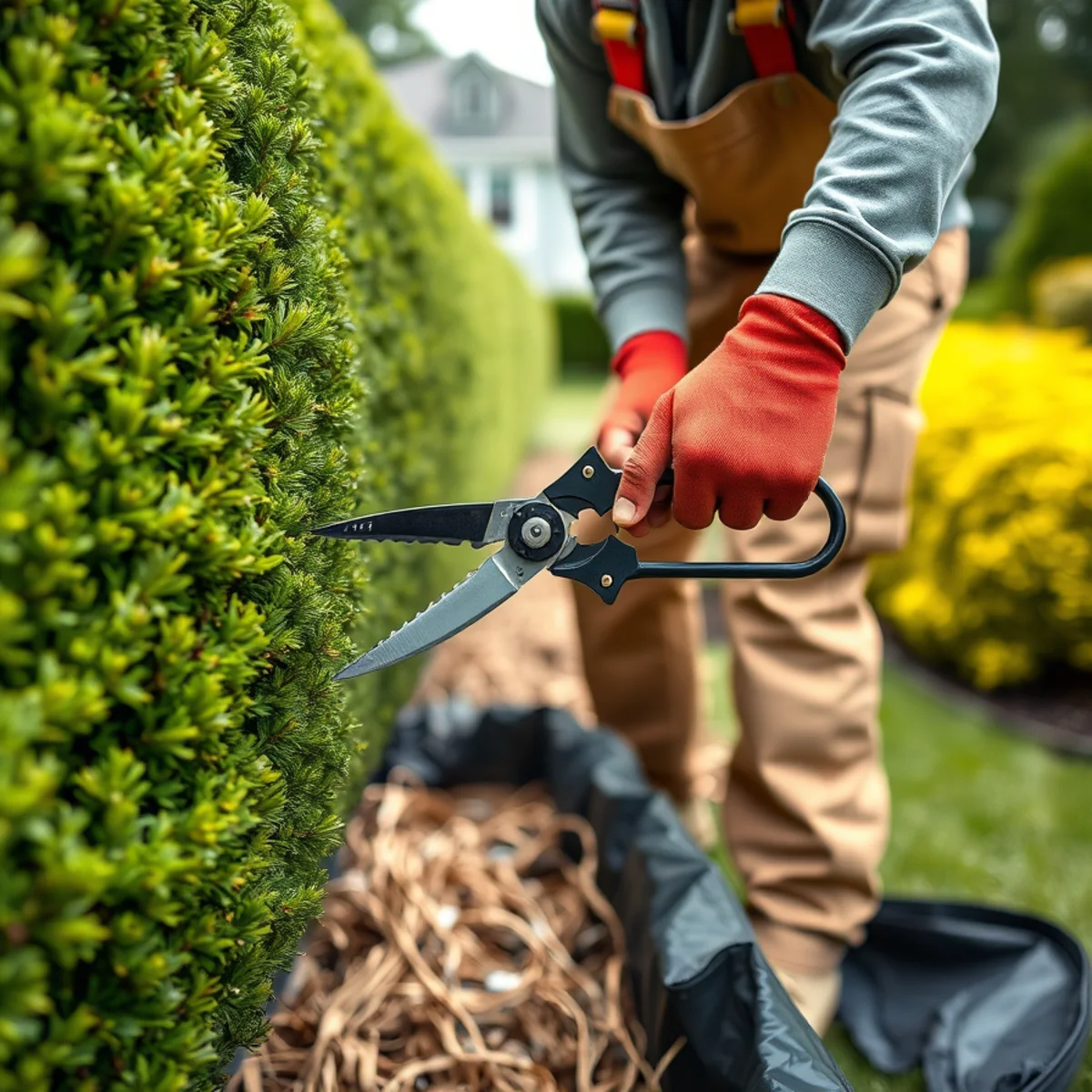
Whitman, MA · Late winter · post-bloom · late summer
Shrub Trimming & Pruning in Whitman, MA
Pruning timed to each plant, not to the calendar — so your hydrangeas still bloom and your hedges stay full to the ground.
5.0★
28 Google reviews
Not one below five stars
15+
Years in business
Serving the South Shore since 2010
Free
On-site estimates
Written scope, firm number
12
Months a year
Lawn care through snow removal
Overview
Shrub Trimming & Pruning in Whitman, MA
Pruning is the service where timing matters more than technique. Cut a lilac in March and you have removed every flower bud it made last summer. It will be perfectly healthy, and it will not bloom.
The rule that covers most of it: shrubs that flower in spring bloom on old wood and should be pruned right after they finish flowering. Shrubs that flower in summer bloom on new wood and should be pruned in late winter before growth starts. Evergreens have their own windows.
We prune to a plant's natural form wherever it makes sense, and we shear formally where the design calls for it. Both are legitimate — but shearing every shrub on the property into a green meatball is not maintenance, it is damage on a schedule.
What's included
- Structural pruning of ornamental shrubs and small trees
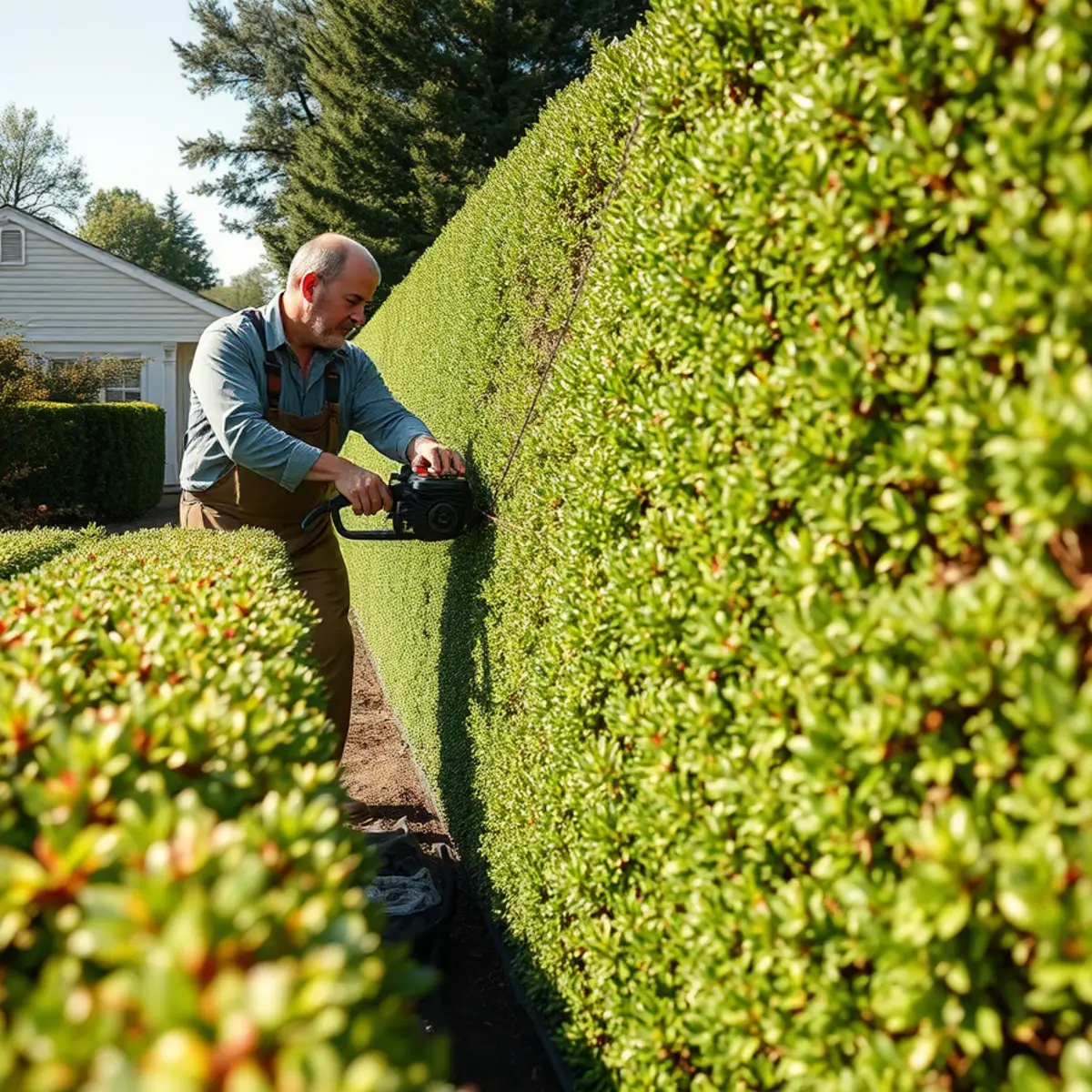
- Formal hedge shearing with true lines, tapered so the base stays full
- Renovation pruning to bring overgrown shrubs back over one to three seasons
- Removing dead, damaged, diseased, and crossing wood
- Thinning cuts to open interior light and airflow
- Clearing shrubs back off walkways, driveways, windows, and siding
- Perennial cutback and ornamental grass division
- Removal and stump grubbing of shrubs beyond saving
- All clippings and debris hauled away
What we see
What bad pruning does
These are the patterns we spend the most time correcting on properties we take over.
Hedges bare at the bottom, dense on top
Caused by shearing the sides straight up and down, or wider at the top. The top shades out the bottom and the lower branches die back. Hedges must be cut slightly wider at the base than at the top so light reaches the whole face.
A hard green shell with dead sticks inside
Repeated shearing creates a dense outer layer that blocks all light from the interior. Nothing grows inside, so any hole that opens up never fills in. Periodic thinning cuts prevent this.
Hydrangeas and lilacs that stopped blooming
Almost always pruned at the wrong time. Bigleaf hydrangea and lilac set next year's buds within weeks of finishing this year's bloom. Cut them in fall or early spring and you cut the flowers off.
Evergreens cut back into bare wood
Yews will regenerate from old wood. Junipers, arborvitae, and most spruce will not — cut past the green and that section stays brown permanently. Knowing which is which before starting matters a great deal.
Tearing and stub cuts
Dull tools and cuts left as stubs invite disease. Cuts go just outside the branch collar with clean, sharp tools.
Shrub Trimming & Pruning in action
Our process
How we approach a pruning visit
Every property gets looked at plant by plant before anything gets cut.
- 1
Identify what we are working with
Species determines timing and technique. We are not going to shear a rhododendron because it is next to a privet.
- 2
Take out the four Ds first
Dead, damaged, diseased, and deranged wood — anything crossing, rubbing, or growing back into the plant. On many shrubs this alone is the whole job.
- 3
Thin before you shorten
Selective removal of whole stems at the base opens light and air into the plant. It reduces size without triggering the dense flush of weak regrowth that heading cuts produce.
- 4
Shape to the plant or the design
Natural form where it belongs, formal shear where it belongs, and never more than about a third of the plant removed in one season on a healthy shrub.
- 5
Clear the functional lines
Walkways, driveways, door swings, windows, meter access, and anything touching the siding. Plants against siding hold moisture and trap insects.
- 6
Clean up completely
Clippings out of the beds and off the lawn, hard surfaces blown, all debris hauled.
Local expertise
A pruning calendar for common South Shore shrubs
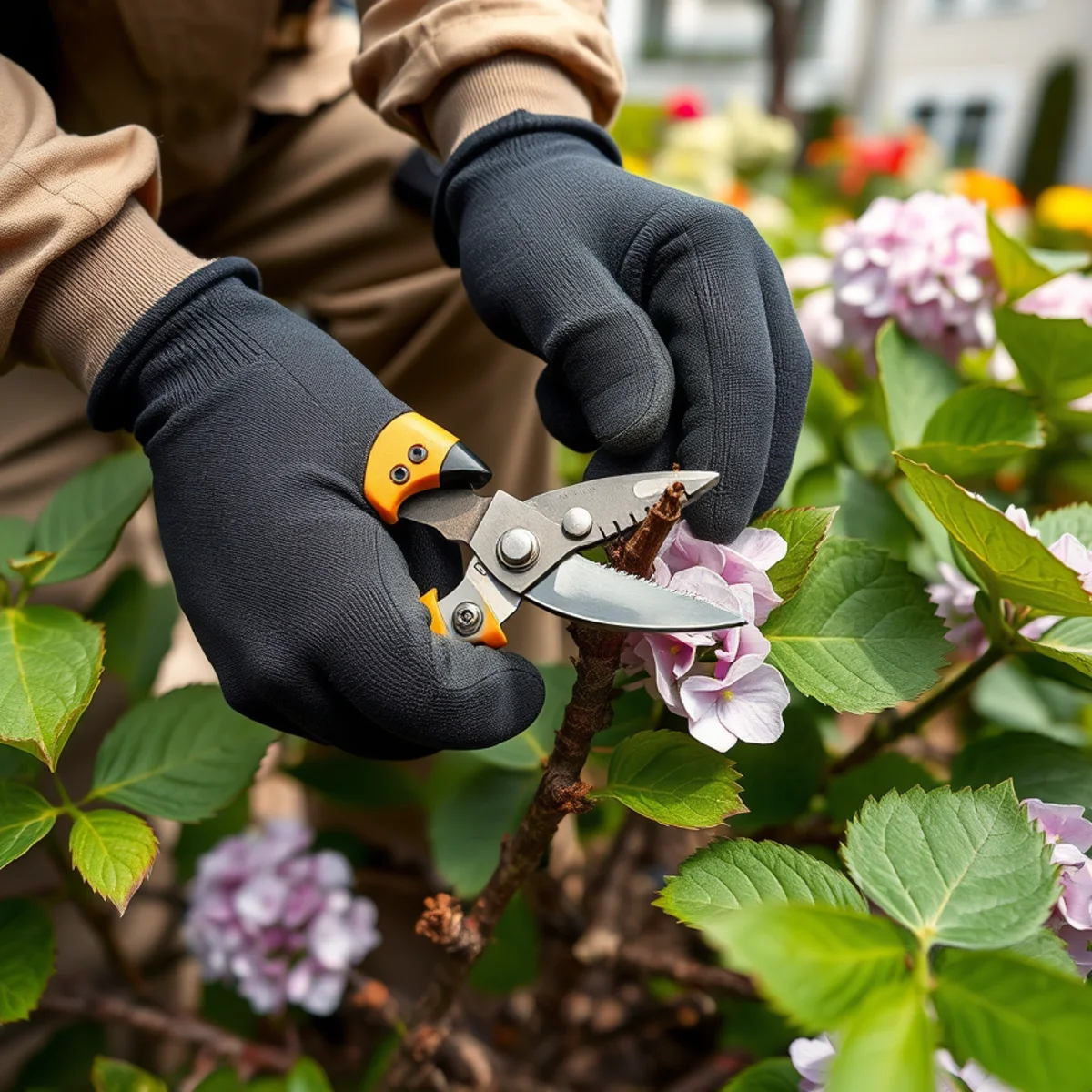
Late winter, roughly February into March, before buds break: this is the window for summer-blooming shrubs and for structural work. Panicle hydrangea and smooth hydrangea both bloom on new wood, so cutting them back hard now produces stronger stems and bigger flowers. Summersweet, butterfly bush, and roses go now. It is also the best time for structural pruning on most deciduous shrubs and small trees, because with the leaves off you can actually see the branch architecture.
Right after bloom, spring into early summer: this is when the spring bloomers get pruned, and the window is narrow — within a few weeks of the last flower fading. Lilac, forsythia, rhododendron, azalea, mountain laurel, and bigleaf hydrangea all set next year's buds shortly after flowering. Prune them later than that and you are removing next year's show.
Early summer, June: new growth on yew, boxwood, and privet has hardened enough to shear cleanly. This is the main shaping pass for formal hedges. Arborvitae and juniper get a light shape now, staying strictly within green growth.
Late summer, August: a second light shear on formal hedges keeps lines crisp into fall. This is the last chance to prune evergreens — cutting past about the end of August pushes tender new growth that will not harden before the first hard freeze.
Fall: do almost nothing. Fall pruning stimulates growth at exactly the wrong time and leaves fresh wounds heading into winter. The only fall pruning we do is removing genuinely dead or hazardous wood.
One local note: the winter moth outbreaks that hammered the South Shore for years have eased considerably, but stressed shrubs and small trees are still more susceptible to secondary problems. Proper thinning that improves airflow through a plant is genuinely useful disease prevention, not just cosmetic.
Why Giachetto Landscape
Why we prune to the plant, not the calendar
15+ years on South Shore properties, 5.0 stars from 28 Google reviews, fully insured, and the owner on the job rather than behind a desk.
Species identified before anything is cut
Spring bloomers set next year's buds within weeks of flowering, so pruning them in spring removes the show. We are not going to shear a rhododendron because it happens to sit next to a privet.
Thinning before shortening
Removing whole stems at the base opens light and air into a plant and reduces size without triggering the dense flush of weak regrowth that heading cuts produce. It is slower than running a hedge trimmer, and it is why the plants keep their form.
Hedges tapered wider at the base
That one detail is why so many hedges go bare at the bottom. Cut straight-sided or top-heavy and the top shades out the lower face until it dies back. Recovery takes seasons; prevention takes none.
We say when a plant cannot be saved
Yews, forsythia, spirea and privet take hard renovation and come back. Junipers, arborvitae and most spruce will not regenerate from bare wood, so cutting them back hard leaves permanent brown. You get told which is which before we start.
- 5.0 stars28 Google reviews
- 15+ yearsServing the South Shore since 2010
- Fully insuredCertificates on request
- Locally ownedBased at 23 Rowena Ave, Whitman
Honest pricing
How pruning work is priced
Pruning is labor with disposal, so quantity and condition drive the number.
Number and size of plants
A dozen foundation shrubs is a morning. Eighty feet of eight-foot hedge is a different scale of job.
How long since the last pruning
Plants maintained annually are quick. Shrubs untouched for five years may need renovation staged across multiple seasons.
Height and access
Anything requiring ladder work slows down and requires more caution, especially near power service drops.
Hand pruning versus shearing
Selective hand pruning takes considerably longer than running a hedge trimmer, and on most ornamental shrubs it is the right method.
Debris volume
Woody debris is bulky. A large pruning job can produce several truckloads to haul and dispose of.
Removals
Taking a shrub out and grubbing the stump is priced separately from pruning.
For most properties, two visits a year covers it: a structural pass in late winter and a shaping pass after the spring bloomers finish. Hedges you want looking sharp may want a third light shear in midsummer.
Social proof
28 Reviews, 5.0 Stars
Every review on our Google Business Profile is five stars. Here is a sample.
Read them on Google“The Giachetto Landscape crew did an absolutely incredible job on a big spring cleanup at our home. The yard was a mess, and there wasn't a single leaf or stick left in any nook or cranny once they were done. They were efficient, respectful, fast, and reasonably priced. We're blown away by how hard they worked. There are so many landscaping companies to choose from, and we couldn't be happier to have found such an amazing crew! 10/10!”
Mia Gallo· Google review
“Chris did an amazing job installing my new lawn with sod. From him being readily available to take a look at my job in the beginning, to providing me a prompt, competitive quote, to the pulling up of my old weed filled lawn, hand laying the new sod, and setting up of the sprinklers/timers to water the lawn, he has been a pleasure to work with. He also pulled out a large shrub and planted a smaller one, as well as re-mulched. He is professional, responsive to all questions, easy to work with, and a hard worker. I highly recommend him for any landscape project you may have.”
Laurie K· Google review
Answers
Shrub Trimming & Pruning: Common Questions
Specific to shrub trimming & pruning on South Shore properties.
It depends on the type. Bigleaf hydrangea — the blue and pink mopheads — blooms on old wood: prune right after flowering and never in spring. Panicle and smooth hydrangeas bloom on new wood and should be cut back in late winter. If you are unsure, tell us the flower color and shape and we will identify it.
Generally no more than a third in one season on a healthy plant. Some shrubs — forsythia, spirea, lilac, privet, yew — tolerate hard renovation cuts near the ground and come back. Junipers and arborvitae will not regenerate from bare wood, so those are shaped or replaced, never cut back hard.
It was almost certainly sheared with straight or top-heavy sides, so the top shaded out the bottom and the lower branches died from lack of light. The fix is to taper the hedge — slightly wider at the base — and to thin the top so light reaches the lower face. Recovery takes a couple of seasons.
Yes. Overgrown foundation plantings that are past saving get removed, roots grubbed out, and the bed prepared for replanting. That is one of our most common spring projects.
Most ornamental shrubs want one thoughtful pruning a year at the right time for their species. Formal hedges typically need two or three shearings to hold clean lines. A plant sheared four times a year with no thinning is being maintained badly, no matter how neat it looks.
Related services and articles
Related services
Landscape Design & Planting
Beds and foundation plantings designed around your actual light, soil, and how big things get in ten years — not how they look on the truck.
Spring & Fall Cleanups
The service our neighbors talk about most. Leaves, sticks, matted beds, and winter debris gone — every nook, not just the open lawn.
Mulch Delivery & Installation
Beds edged to a clean line and mulched at the right depth — dark, even, and pulled back off every trunk and stem.
Further reading
When to Prune Every Common Shrub in Massachusetts
Cut a lilac in March and it stays perfectly healthy — and produces no flowers. Timing matters more than technique.
Native Plants That Actually Perform on the South Shore
Not a list of everything native to New England. A list of what we install over and over because it performs in real South Shore yards.
Where we do trimming & pruning
Pruning work runs heaviest where the plantings are oldest. The established properties in Milton, Wellesley, Needham and Brookline carry specimen material worth preserving rather than replacing, and the mid-century foundation plantings in Weymouth, Rockland and Holbrook are usually at the point where renovation or removal is the honest call.
Free estimate
Request a Free Trimming & Pruning Estimate
Tell us about the property and we will set up an on-site visit. Every request gets a reply within one business day.
- ✓Free on-site estimate with a written scope
- ✓5.0★ from 28 Google reviews
- ✓15+ years working South Shore properties
- ✓Fully insured — certificates available on request
Get Trimming & Pruning Handled Properly
Call (323) 606-0255 to talk it through, or request a free on-site estimate and we will come look at the property.
- 5.0★ · 28 reviews
- 15+ years experience
- Fully insured
- Free on-site estimates