
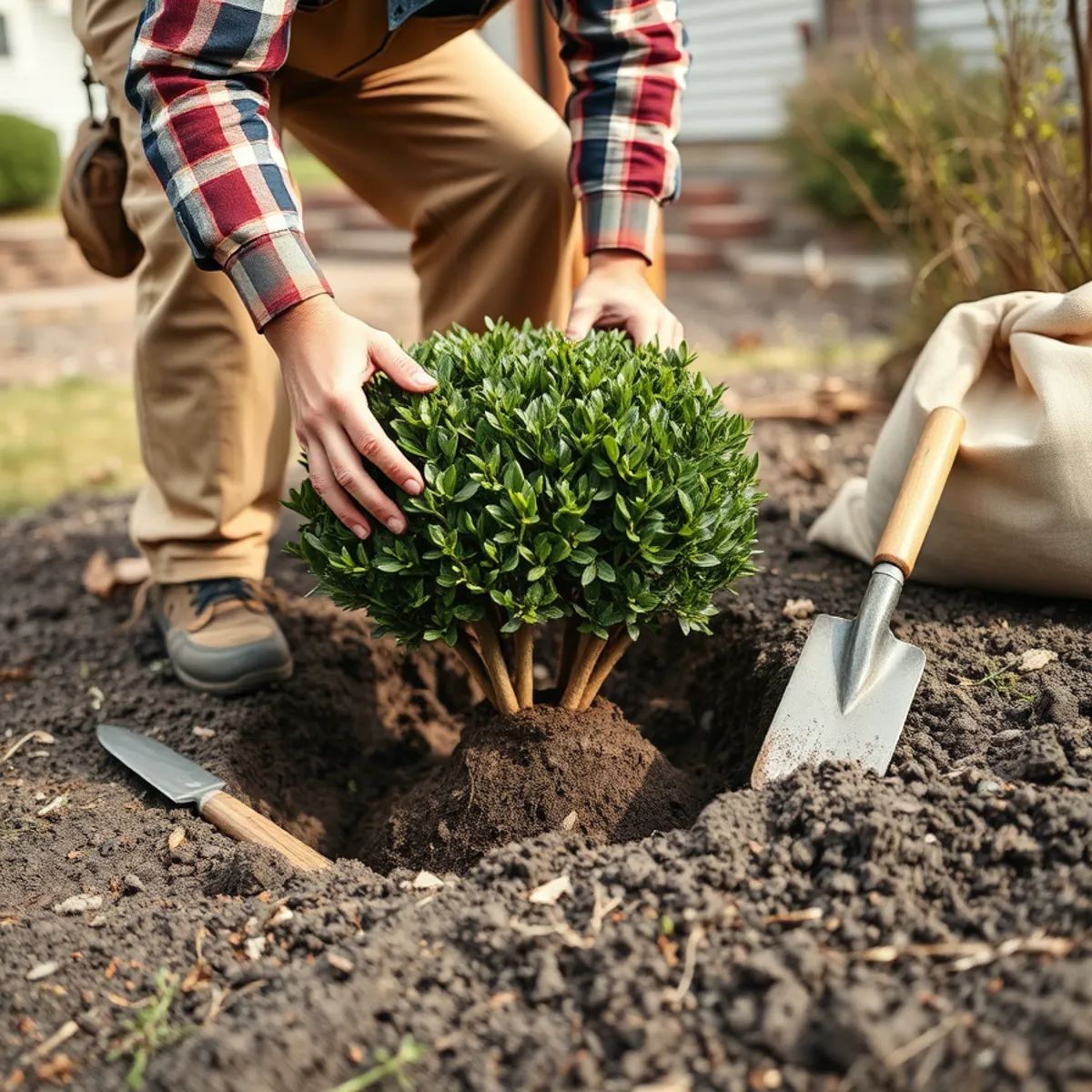
Whitman, MA · Early spring and mid-autumn
Tree & Shrub Transplanting in Whitman, MA
Moving established plants instead of buying new ones — done in the right season, with a root ball sized to the plant, and a watering plan that decides whether it lives.
5.0★
28 Google reviews
Not one below five stars
15+
Years in business
Serving the South Shore since 2010
Free
On-site estimates
Written scope, firm number
12
Months a year
Lawn care through snow removal
Overview
Tree & Shrub Transplanting in Whitman, MA
A mature shrub in the wrong place is worth far more than a small one in the right place. Twenty years of growth cannot be bought, and a plant that has already proved it survives your soil, your light and your deer is not something to put in a skip because it ended up two feet from a window.
Most transplanting failures are not bad luck. They come from moving the plant in the wrong month, taking a root ball too small for the canopy it has to support, or walking away without a watering schedule. All three are avoidable.
We move foundation shrubs that have outgrown the house, specimen plants in the path of an addition or a new walk, hedges being re-spaced, and small to mid-size trees. We are also honest about the ones that should not be moved at all.
What's included
- Assessment of whether the plant is a realistic candidate before anything is dug
- Root pruning a season in advance for larger or higher-value material
- Root balls sized to the trunk calibre or canopy spread, not to what fits in the truck
- Burlap and wire basket wrapping for anything travelling further than across the yard
- Preparation of the new hole — width, depth and backfill corrected before the plant arrives in it
- Correct planting depth, with the root flare left visible rather than buried
- Soil amendment matched to a soil test rather than applied by default
- Mulch ring kept off the stem
- Staking only where the plant genuinely needs it, and removed the following season
- A written watering schedule for the establishment period
- Anti-desiccant on evergreens moved in autumn where it is warranted
- Restoration of the hole and the lawn where the plant came from
What we see
When moving a plant is the right answer
Transplanting is usually cheaper than buying equivalent maturity, and sometimes it is the only way to keep something that cannot be replaced.
Foundation shrubs that have swallowed the windows
The commonest job we do. Yews and rhododendrons planted eighteen inches from a 1960s foundation are now six feet across. Moving them out to where they have room is usually better than shearing them into boxes every year for the rest of their lives.
A plant in the way of construction
An addition, a new walk, a septic replacement or a driveway widening. If the work is scheduled far enough ahead we can root prune in advance, which raises the survival odds considerably.
Something planted far too close together
A row put in at nursery size with no allowance for mature spread. Re-spacing the existing plants costs less than replacing the whole row and keeps the maturity you already have.
The right plant in the wrong light
A shrub that was in full sun when it went in and is now under forty feet of oak canopy. It will never thrive there. Moving it is more sensible than feeding it harder.
A plant with real sentimental value
A tree planted for a birth, or a shrub that came from a family garden. These are worth more care and more cost than their size suggests, and we treat them accordingly.
Thinning a planting that has closed up
A bed that has grown into a solid mass can often be opened up by relocating two or three plants rather than removing them, giving you a second planting elsewhere for the cost of the labour.
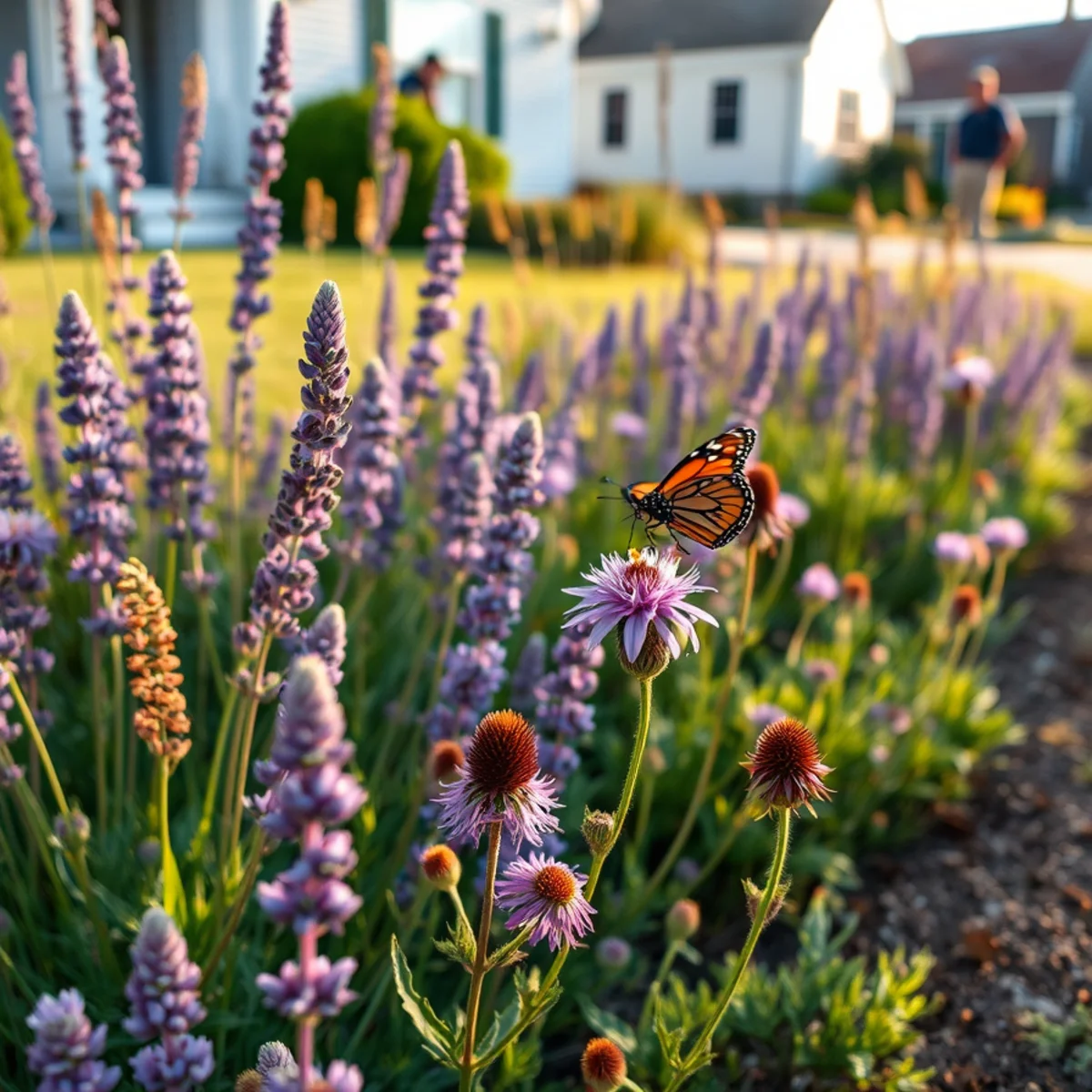
Tree & Shrub Transplanting in action
Our process
How we move an established plant
The dig is the short part. Timing and aftercare decide the outcome.
- 1
Decide whether it is a candidate
Species, size, age, health, root habit and access all matter. Some plants move easily at substantial size, others resent it at any size. We will tell you when the honest answer is that it will not survive the move.
- 2
Root prune ahead where it is warranted
For larger or valuable material, cutting a circle around the plant one season before the move prompts dense feeder roots to form inside that circle. It is the single biggest thing that improves survival, and it requires planning rather than skill.
- 3
Move in the right window
Early spring before bud break, or autumn once growth has stopped and roughly four to six weeks before the ground freezes. Mid-summer moves are a last resort and get treated as such.
- 4
Dig a root ball sized to the plant
Measured off trunk calibre or canopy spread rather than off convenience. An undersized ball is the most common cause of a plant that leafs out in May and dies in July — it had enough stored energy for one flush and no roots to support it.
- 5
Prepare the new hole first
Dug wide and no deeper than the ball, with the sides broken rather than smooth, and backfill amended only if a soil test says it should be. The plant goes into a ready hole, not the other way round.
- 6
Set at the correct depth
The root flare stays at or slightly above finished grade. Planting deep is the second most common killer and it kills slowly, often three or four years later, long after anyone connects it to the planting.
- 7
Water in, mulch, and leave a schedule
Watered in heavily to settle the soil and remove air pockets, mulched with the ring kept off the stem, and handed a written watering schedule. The schedule is not a formality — it is the single thing most within your control that decides whether this works.
Local expertise
Why transplants die, and when they die
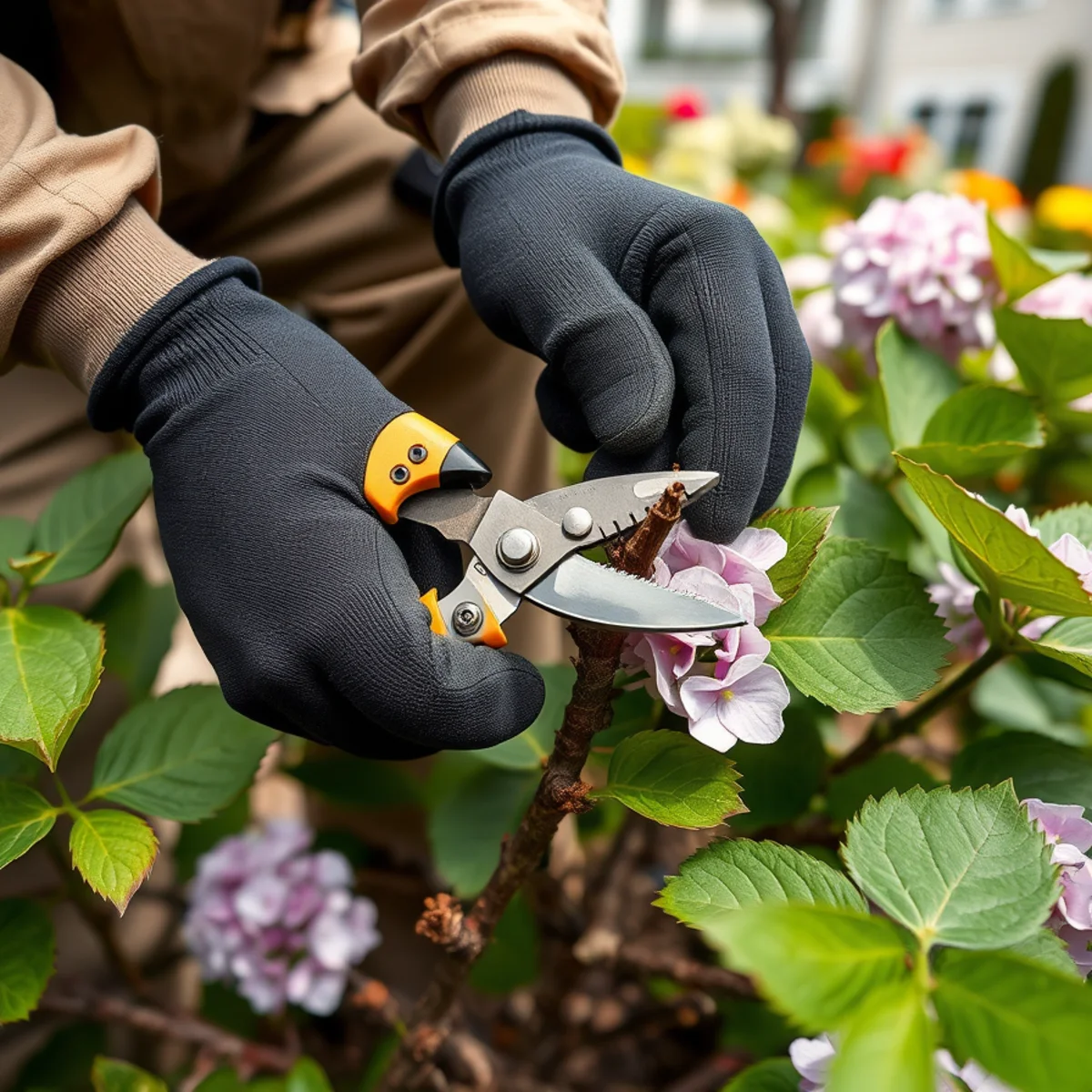
A transplanted plant does not usually fail in the first few weeks. It fails in the first hot, dry stretch after the move, because by then it is running on stored energy and has not yet grown the feeder roots it needs to supply its own canopy.
Digging a plant removes most of its absorbing roots. The fine roots that actually take up water sit out at the edge of the root zone, well beyond any root ball you can realistically lift. What you move is structure and stored reserves. The plant then has to rebuild the absorbing system from scratch, and until it has, it cannot keep up with what the leaves are losing.
That is the entire reason behind the timing rule. Moving in early spring or autumn puts the plant into cool, damp soil with low canopy demand, giving roots weeks or months to re-establish before they are asked to supply a full summer canopy. A July move asks a plant with no feeder roots to support full leaf in heat, and most of them cannot.
It is also why the watering schedule matters more than anything we sell you. For the first season the plant can only drink from inside the root ball, which dries out far faster than the soil around it. Watering the surrounding bed is not the same as watering the plant, and a sprinkler run that keeps a lawn green will not keep a new root ball wet. This is the single most common way a correctly executed transplant still dies.
Why Giachetto Landscape
Why have us move it rather than doing it yourself
15+ years on South Shore properties, 5.0 stars from 28 Google reviews, fully insured, and the owner on the job rather than behind a desk.
We will tell you when not to move it
Some plants will not survive relocation at the size they have reached, and some are not worth the cost of the attempt. Saying so loses us the job and saves you paying twice — once for the move and again for the replacement.
Root balls get sized to the plant
The common shortcut is digging a ball that suits the equipment on hand. We size it to trunk calibre or canopy spread, which sometimes means bringing different equipment or planning the move for a different season.
We plan the season ahead when it matters
For larger or valuable material we will recommend root pruning a season before the move. That means telling you the work should happen next year rather than this month, which is rarely what a contractor wants to say.
You get a watering schedule, not a handshake
Written, specific, and sized to the root ball rather than the lawn. It is the part of the job that happens after we leave and the part that decides the result, so we do not leave it vague.
- 5.0 stars28 Google reviews
- 15+ yearsServing the South Shore since 2010
- Fully insuredCertificates on request
- Locally ownedBased at 23 Rowena Ave, Whitman
Honest pricing
What a transplant costs depends on
There is no per-plant price for this work. A three-foot shrub moved ten feet and a twelve-foot tree moved across a property are different jobs entirely.
Size of the plant
Root ball weight rises very fast with trunk calibre. A ball a hand-crew can move and one that needs a machine are different categories of job, and the threshold arrives sooner than most people expect.
Species
Some plants move readily at size. Others have a taproot or resent root disturbance and need a larger ball, advance root pruning, or should not be moved at all. The species sets the method.
Whether we can root prune in advance
Planning a season ahead adds a visit but substantially improves the odds on larger material. An emergency move before construction starts next week does not have that option, and the risk goes up accordingly.
Access
Whether a machine can reach both the old and new positions is often the largest single factor. A plant that has to be moved by hand through a gate costs far more than the same plant in an open yard.
Distance and destination
Across the bed is simple. Across the property, or onto a truck and to another address, means wrapping the ball and protecting the canopy.
Preparing the receiving site
If the new position needs drainage work, bed construction or soil correction first, that is its own scope rather than part of the move.
We quote transplanting after seeing the plant, the route and the destination. If we think the move is unlikely to succeed we will say so before you pay for it rather than after.
Social proof
28 Reviews, 5.0 Stars
Every review on our Google Business Profile is five stars. Here is a sample.
Read them on Google“The Giachetto Landscape crew did an absolutely incredible job on a big spring cleanup at our home. The yard was a mess, and there wasn't a single leaf or stick left in any nook or cranny once they were done. They were efficient, respectful, fast, and reasonably priced. We're blown away by how hard they worked. There are so many landscaping companies to choose from, and we couldn't be happier to have found such an amazing crew! 10/10!”
Mia Gallo· Google review
“Chris did an amazing job installing my new lawn with sod. From him being readily available to take a look at my job in the beginning, to providing me a prompt, competitive quote, to the pulling up of my old weed filled lawn, hand laying the new sod, and setting up of the sprinklers/timers to water the lawn, he has been a pleasure to work with. He also pulled out a large shrub and planted a smaller one, as well as re-mulched. He is professional, responsive to all questions, easy to work with, and a hard worker. I highly recommend him for any landscape project you may have.”
Laurie K· Google review
Answers
Tree & Shrub Transplanting: Common Questions
Specific to tree & shrub transplanting on South Shore properties.
Early spring before bud break, or autumn after growth stops and about four to six weeks before the ground freezes — in this area that usually means roughly late March to mid-April, or mid-September through October. Both windows put the plant into cool soil with low canopy demand so roots can re-establish before they are asked to support full leaf.
By hand, shrubs up to roughly four or five feet depending on species and root habit. With machinery, considerably larger, including small trees. The practical limit is usually access rather than size — whether equipment can reach both the old and the new position. We will tell you on site which category your plant falls into.
With the right species, the right season, a correctly sized root ball and a followed watering schedule, the odds are good. They drop sharply if any one of those is missing. We will give you an honest assessment of a specific plant before the work rather than a general reassurance, and we will tell you when we think the odds are poor.
Cutting a circle around the plant one growing season before the move, which prompts dense feeder roots to form inside the eventual root ball. For small shrubs it is unnecessary. For larger or valuable material it is the single biggest improvement you can make to survival odds. It needs planning rather than skill, which is why it only happens when the move is not an emergency.
A full growing season at minimum, and two for larger material. The root ball dries out much faster than the soil around it, so watering has to be aimed at the ball itself rather than the bed. An irrigation zone that keeps the surrounding lawn green will not keep a new root ball wet — this is the most common reason a well-executed transplant still fails.
For small nursery-size material, usually not — buying new is simpler and cheaper. For anything mature it almost always is, because you cannot buy twenty years of growth and a plant already proven in your soil and light. The crossover point depends on size and access, and we will be straight with you about which side of it your plant sits on.
Related services and articles
Related services
Landscape Design & Planting
Beds and foundation plantings designed around your actual light, soil, and how big things get in ten years — not how they look on the truck.
Shrub Trimming & Pruning
Pruning timed to each plant, not to the calendar — so your hydrangeas still bloom and your hedges stay full to the ground.
Mulch Delivery & Installation
Beds edged to a clean line and mulched at the right depth — dark, even, and pulled back off every trunk and stem.
New Lawn Installation: Sod & Hydroseeding
Sod for instant results, hydroseed for value, slice seeding for renovation — with the grading and loam depth the lawn actually needs.
Further reading
When to Transplant Trees and Shrubs in Massachusetts
Two windows work in this climate and one of them is closing sooner than you think. The rest is root ball size and water.
When to Prune Every Common Shrub in Massachusetts
Cut a lilac in March and it stays perfectly healthy — and produces no flowers. Timing matters more than technique.
Native Plants That Actually Perform on the South Shore
Not a list of everything native to New England. A list of what we install over and over because it performs in real South Shore yards.
Where we do transplanting
We transplant trees and shrubs throughout the South Shore and across Norfolk County — Whitman and the neighbouring towns, and the established properties in Needham, Dover, Wellesley and Milton where mature plantings are often worth far more than the cost of relocating them. Our full list of towns is on the service areas page.
Free estimate
Request a Free Transplanting Estimate
Tell us about the property and we will set up an on-site visit. Every request gets a reply within one business day.
- ✓Free on-site estimate with a written scope
- ✓5.0★ from 28 Google reviews
- ✓15+ years working South Shore properties
- ✓Fully insured — certificates available on request
Get Transplanting Handled Properly
Call (323) 606-0255 to talk it through, or request a free on-site estimate and we will come look at the property.
- 5.0★ · 28 reviews
- 15+ years experience
- Fully insured
- Free on-site estimates